

An open question needs a clear task
What does admission cost today? Which sign is displayed at the entrance? Which image is missing from the guide? Not every question can be answered reliably from a desk.
For Bantayan, we developed a system in which AI sends staff out on specific research assignments and accompanies the work. It explains where to go, which questions to resolve and which images are needed. Through the connected messenger, AI communicates directly with staff, answers questions and adapts instructions. People observe and act on site; AI coordinates the assignment and processes their feedback.
One stop, several concrete results
The planning helper reads existing verification needs: missing or expired confirmations, unresolved questions and image gaps. AI turns them into an understandable assignment and sends it to the designated staff member. Instead of a general topic list, they receive specific instructions: where to go, what to ask and which pictures to bring back.
| In the assignment | Why it matters |
|---|---|
| A specific question | The person knows what needs confirmation |
| The required image | An entrance picture serves a different purpose from a price-board image |
| A sensible sequence | Questions and images at the same place are handled together |
| Feedback | The answer, date and origin can be linked back to the task |
The route is one part of the assignment. What matters is which information becomes better supported after the visit.
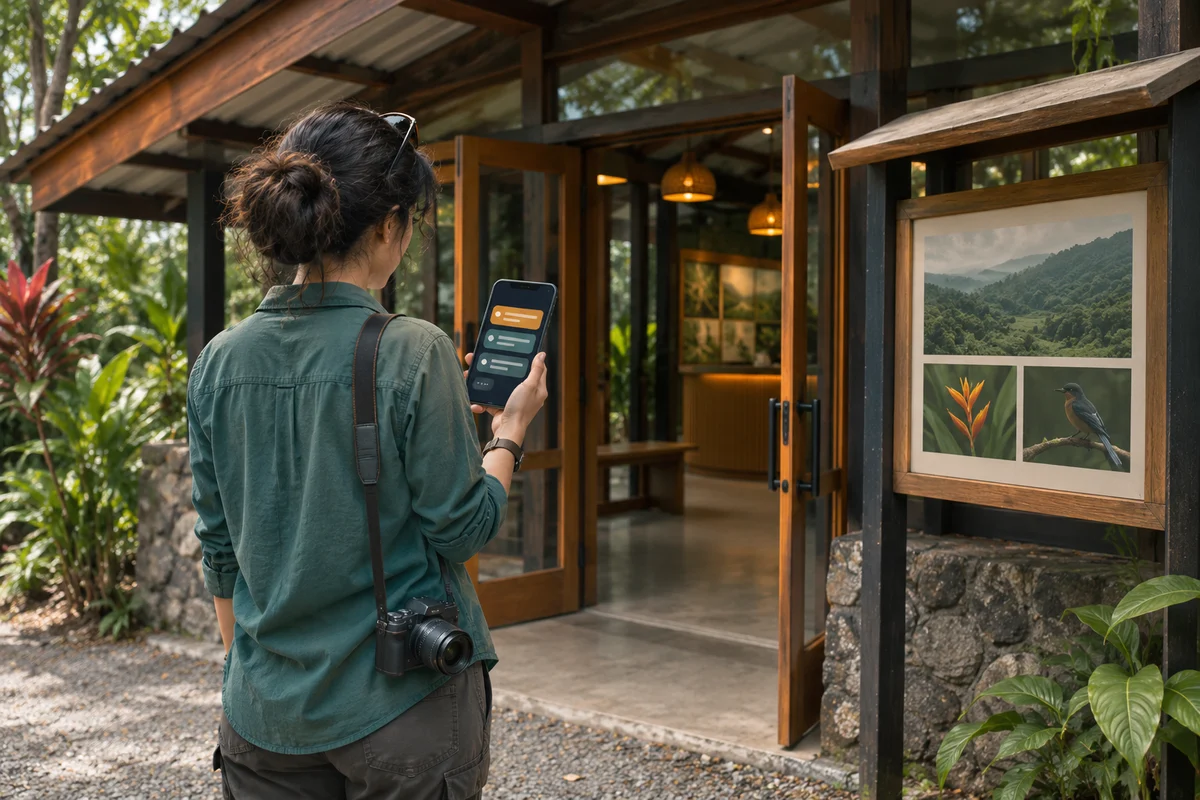
AI stays in the conversation with staff
The work does not end when the assignment is sent. A staff member can ask a question in the messenger, report an observation or send images back. AI links the message to the assignment and explains what to do next.
- Before the visit: Explain the destination, route, questions and required pictures.
- When questions arise: Clarify which entrance, sign or image framing is needed.
- When conditions change: Respond to a closed location or missing notice and adapt the next step.
- After feedback: Check whether the questions were answered and request missing information specifically.
AI handles task-related instructions and communication. The person does the work on site and brings back information that AI cannot observe from a desk.
A tick is not the evidence
In the developed workflow, “done” is not a sufficient answer to every question. A displayed price list, an appropriate picture or a dated answer with traceable origin can support a particular statement. Without supporting material, the question stays open.
AI compares the feedback with the assignment. If an image does not fit or an answer is incomplete, it can tell the staff member what is still needed. It then prepares the next processing step. Publication follows the existing approval process. The image scenes illustrate the work; they do not show actual assignments or staff.
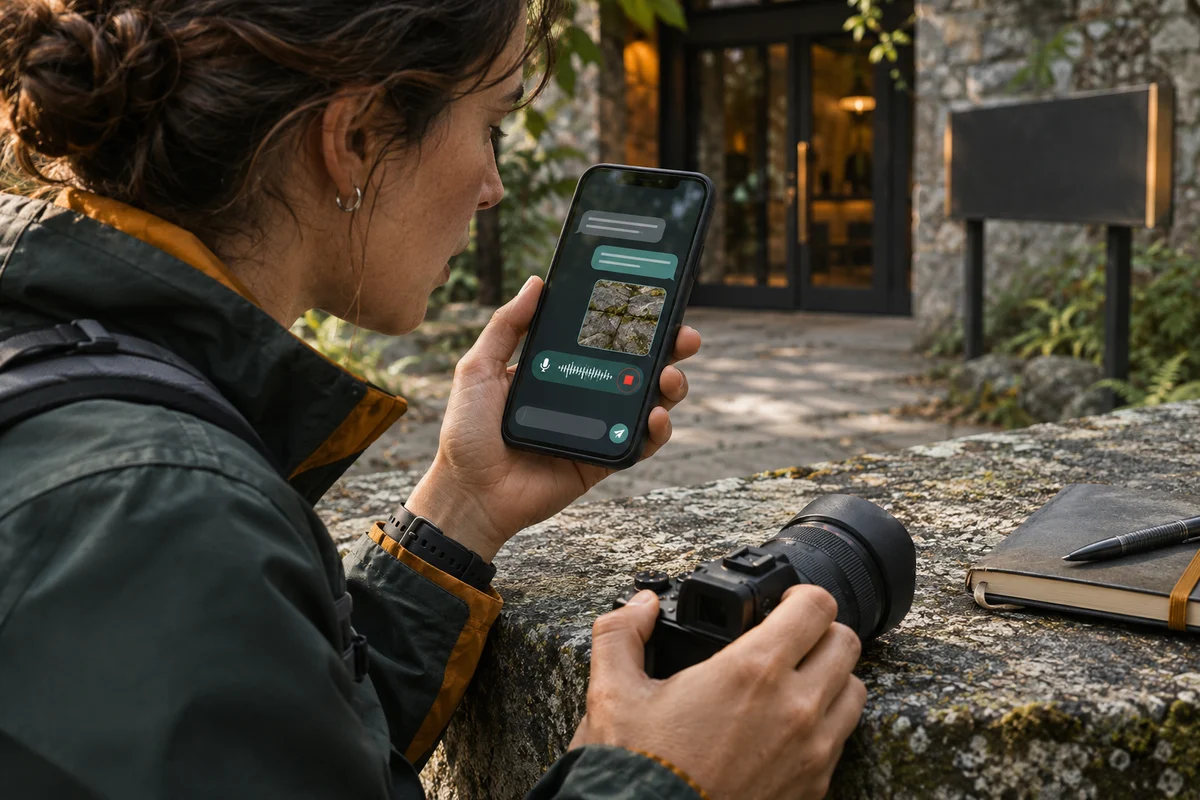
Research becomes a connected workflow
Assigning tasks, talking to staff, clarifying questions and assessing results work together in the developed system. AI is the active coordinator of the research assignment; people provide observations on site.
Publication follows the defined human approval process. Which tasks can be organised this way and how useful it is depend on the specific project.
Our Bantayan project portrait shows the wider context. Tell us where you need to collect information and process it afterwards.
Sources.
- Bantayan: Feld-Helfer mit KI-TagesplanOwn source · As of
- Bantayan: Arbeitsweise der KIVendor / primary · As of
- SolvraONE: research and source reviewOwn source · As of
Keep reading.
Insights · FRED
One case. Several sources. An evidence-based overview
How we developed internal AI research for staff: connecting sources, highlighting contradictions and preserving unanswered questions.
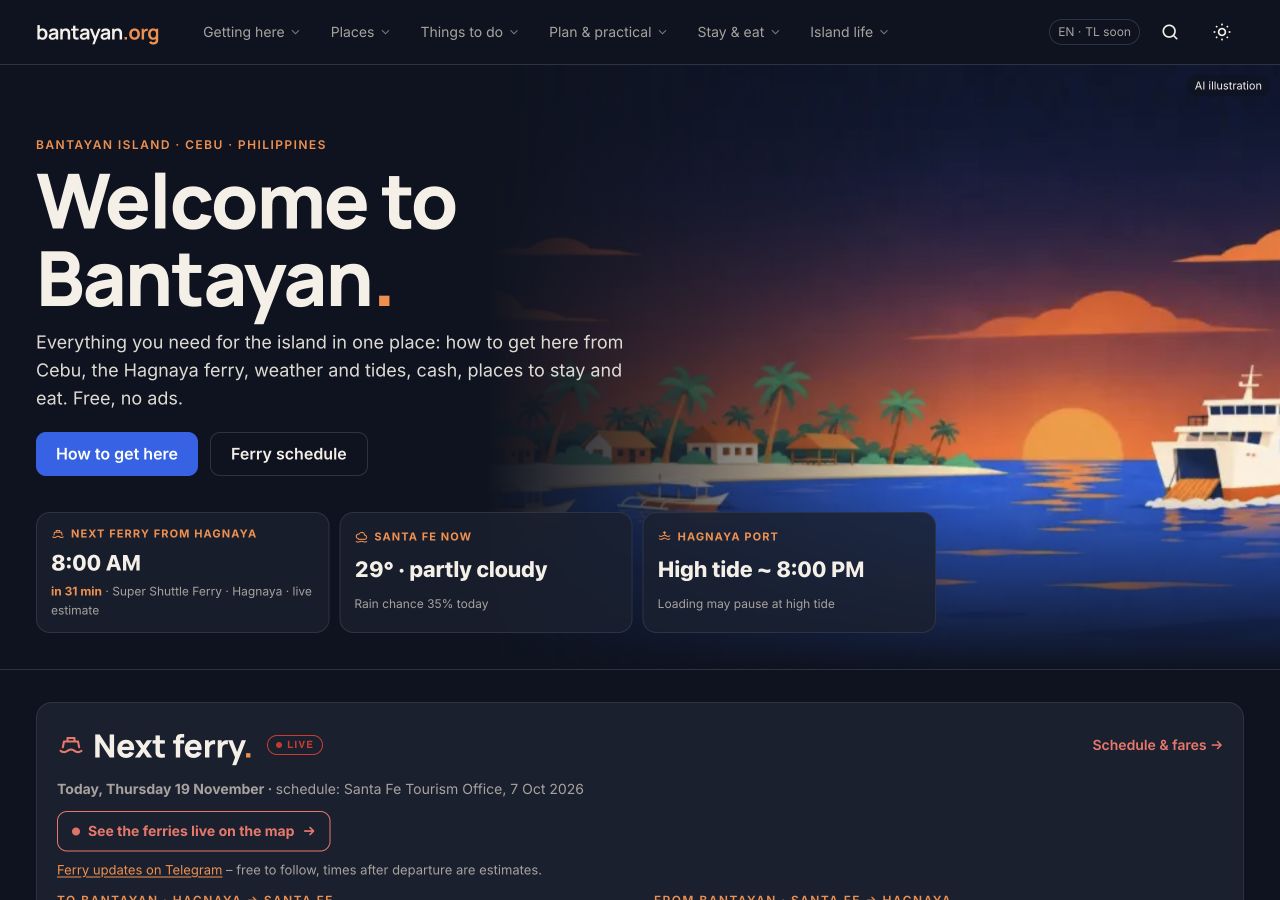
Insights · our community project
Project Bantayan: Built with AI. Maintained by AI
Our community project shows the breadth of our work: AI maintenance, custom software, a ferry view and data integration.

Is AI worth it for you? We measure it.
Find useful AI tasks, introduce existing tools, train your people and measure the actual benefit.